Learning how to install gutters yourself can be a practical way to upgrade your home's rainwater system while keeping project costs under control. With the right preparation, careful measurements, and a quality half-round system, DIY gutter installation is achievable for many New Zealand homeowners.
If you are planning to install new half-round gutters, this guide walks through the basic process step by step. From gathering the right tools to setting the correct fall and connecting your downpipes, here is how to install gutters yourself with more confidence and fewer mistakes.
Before You Start Installing Gutters
Before you begin, make sure your fascia is sound, your ladder setup is safe, and you know where the downpipes will discharge. It is also worth confirming that your gutter profile and downpipe size match your roof area and local rainfall conditions.
For most homes, planning these details before you start will save time later and help you avoid rework once brackets and outlets are in place.
Step 1: Gather the Right Tools and Materials
Failing to prepare is preparing to fail. The first step in DIY gutter installation is to have all the necessary tools and materials on hand before you get up the ladder. As New Zealand's exclusive Lindab gutter supplier, we can help you source half-round gutters, brackets, end caps, outlets, and downpipes. You will also need a ladder, measuring tape, chalk line, drill, and fixings suitable for your fascia.
Step 2: Measure the Fascia and Mark the Gutter Fall
The key to installing gutters yourself is precise measurement. Establish a high point and a low point on the fascia, then snap a chalk line to show the path of the gutter. Use the outlet location or existing downpipe position to determine the low point and work back toward the high point.
As a general guide, aim for a fall of 25 mm per 10 metres so water can drain effectively. Too little fall can leave water sitting in the gutter, while too much can look uneven from the ground.
Step 3: Fix the Brackets at the Correct Spacing
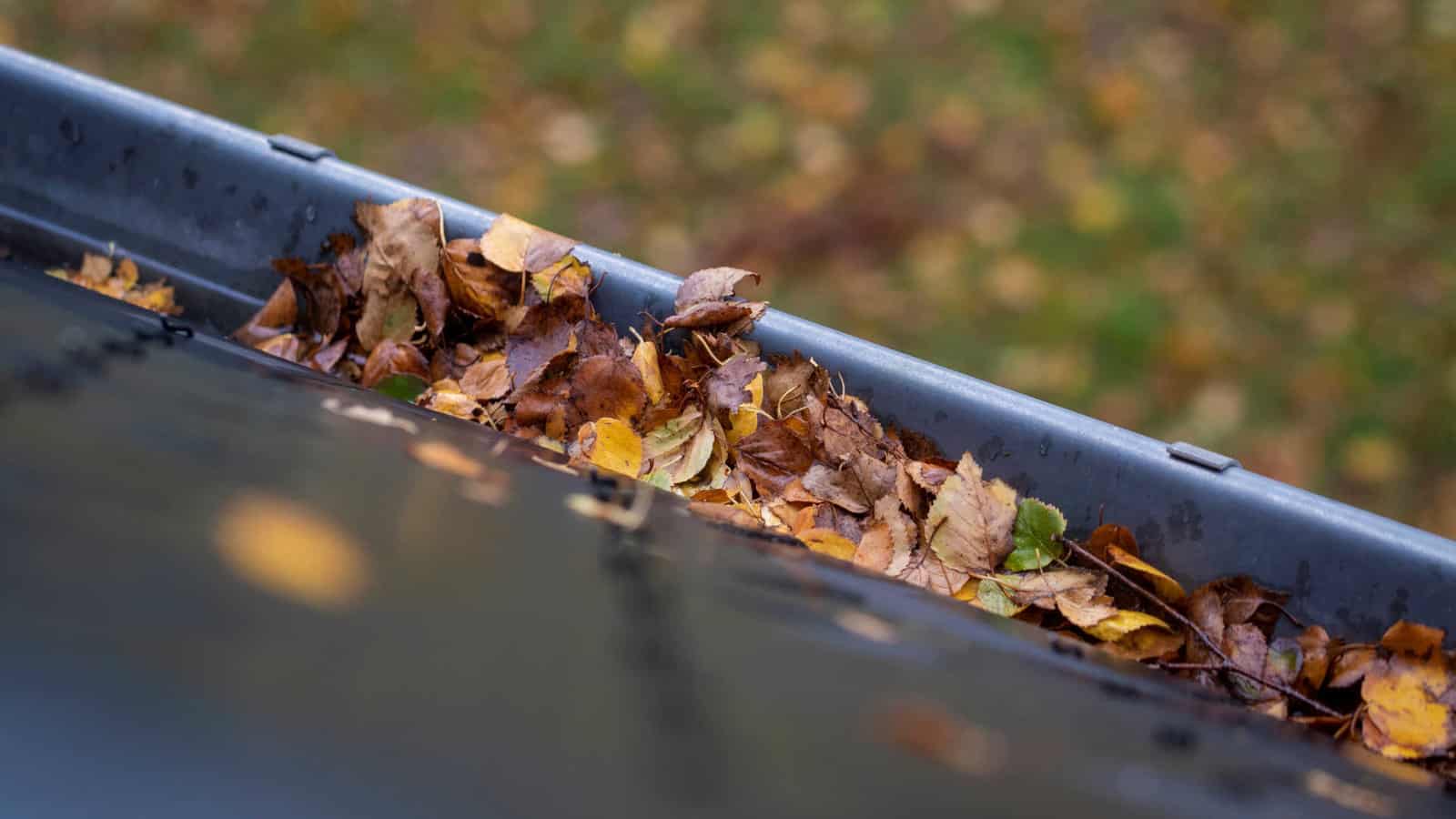
Once the gutter line is marked, attach the brackets along the fascia. We only stock external fascia brackets, as these help reduce leaves and sticks catching inside the gutter and restricting water flow during heavy rain.
Start at the high point and work down the chalk line, keeping the brackets 900 mm apart, or 700 mm apart in areas with heavier rainfall or higher wind exposure. At the low point, position the dropper outlet above the stormwater connection so the downpipe run is straightforward.
Step 4: Snap the Gutters Into Place
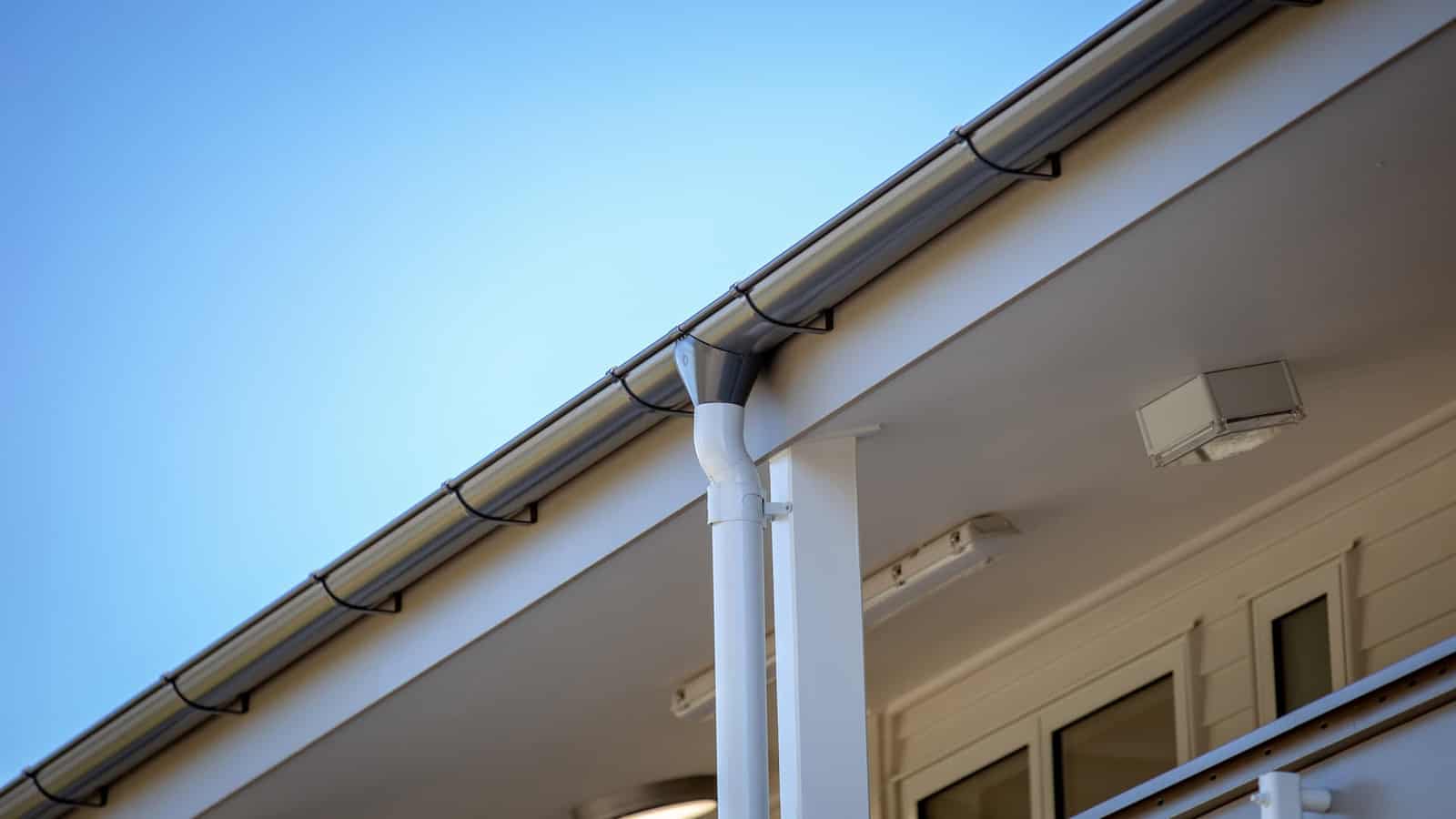
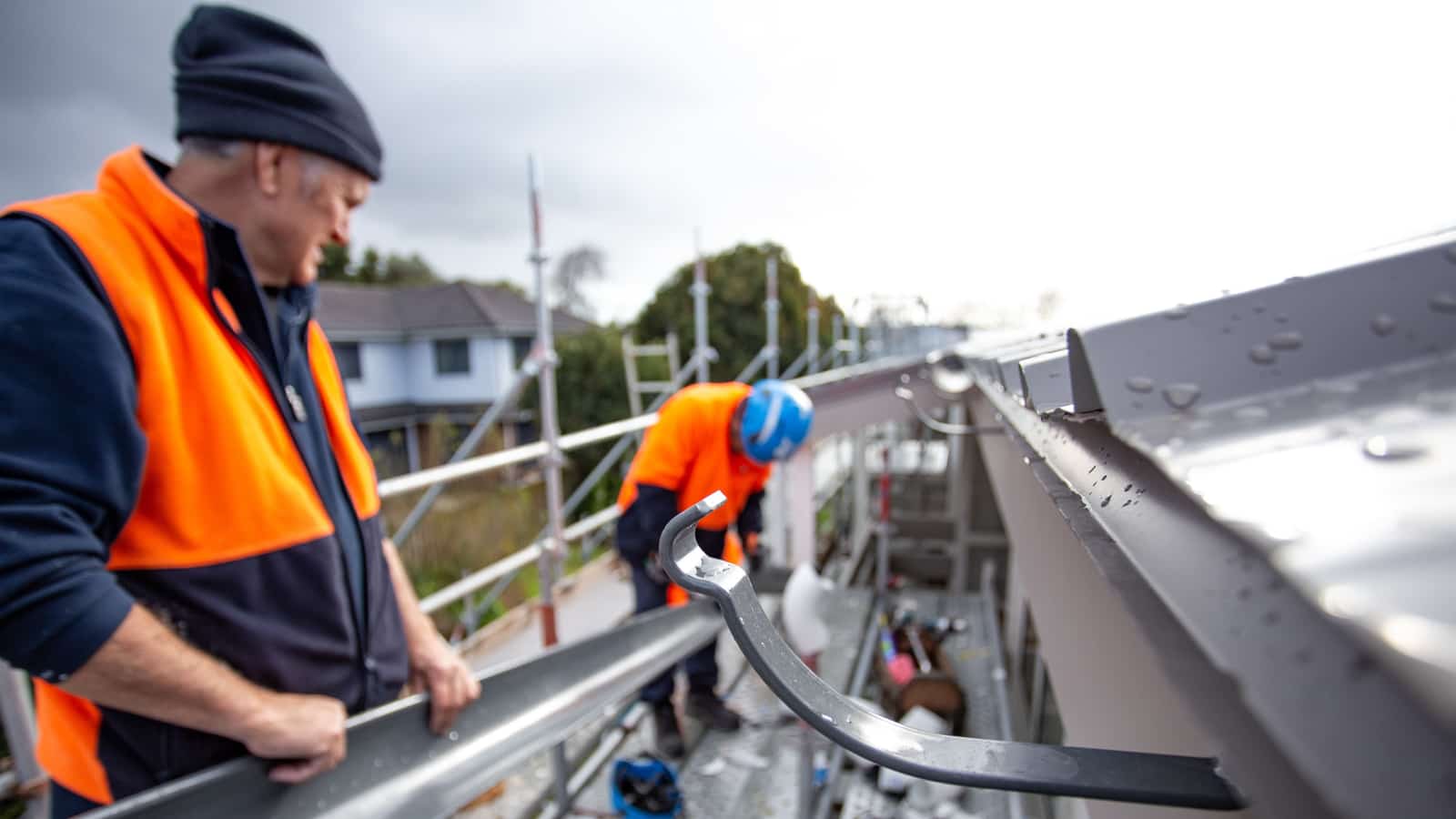
With the brackets installed, it is time to fit the gutter lengths. Position the back of the half-round gutter into the rear of the bracket, then push back and down on the front edge until it snaps securely into place.
As you go, check that each length follows the chalk line and continues to slope toward the outlet. This is the stage where small alignment errors become obvious, so it pays to keep checking your line.
Step 5: Connect the Outlet and Downpipes
There are several elbow joints and downpipe options available, so choose the configuration that best suits your eaves, cladding, and discharge point. Once you have the right components, snap the outlet into the gutter and secure the downpipe to the wall using brackets.
Make sure the downpipe run is straight, well-supported, and discharges where water can move safely into the drainage system. Poorly aligned downpipes can reduce flow and create long-term maintenance issues.
Common Gutter Installation Mistakes to Avoid
If you want better results from your DIY gutter installation, avoid the most common errors: inaccurate fall, poorly spaced brackets, weak fascia fixings, and badly positioned outlets. These issues can lead to overflow, leaks, or gutters that look uneven once viewed from the ground.
If your roofline is complex, your home is more than one storey, or you are unsure about sizing, it is usually better to get advice before you install anything. A short planning conversation can save a lot of time and cost later.
Need Help With Gutter Installation?
Learning how to install gutters yourself is straightforward when you have the right materials, a safe setup, and a clear plan for fall, brackets, outlets, and downpipes. But if you want help choosing the right system or would rather leave installation to experienced hands, contact the European Gutters team or request a free quote.